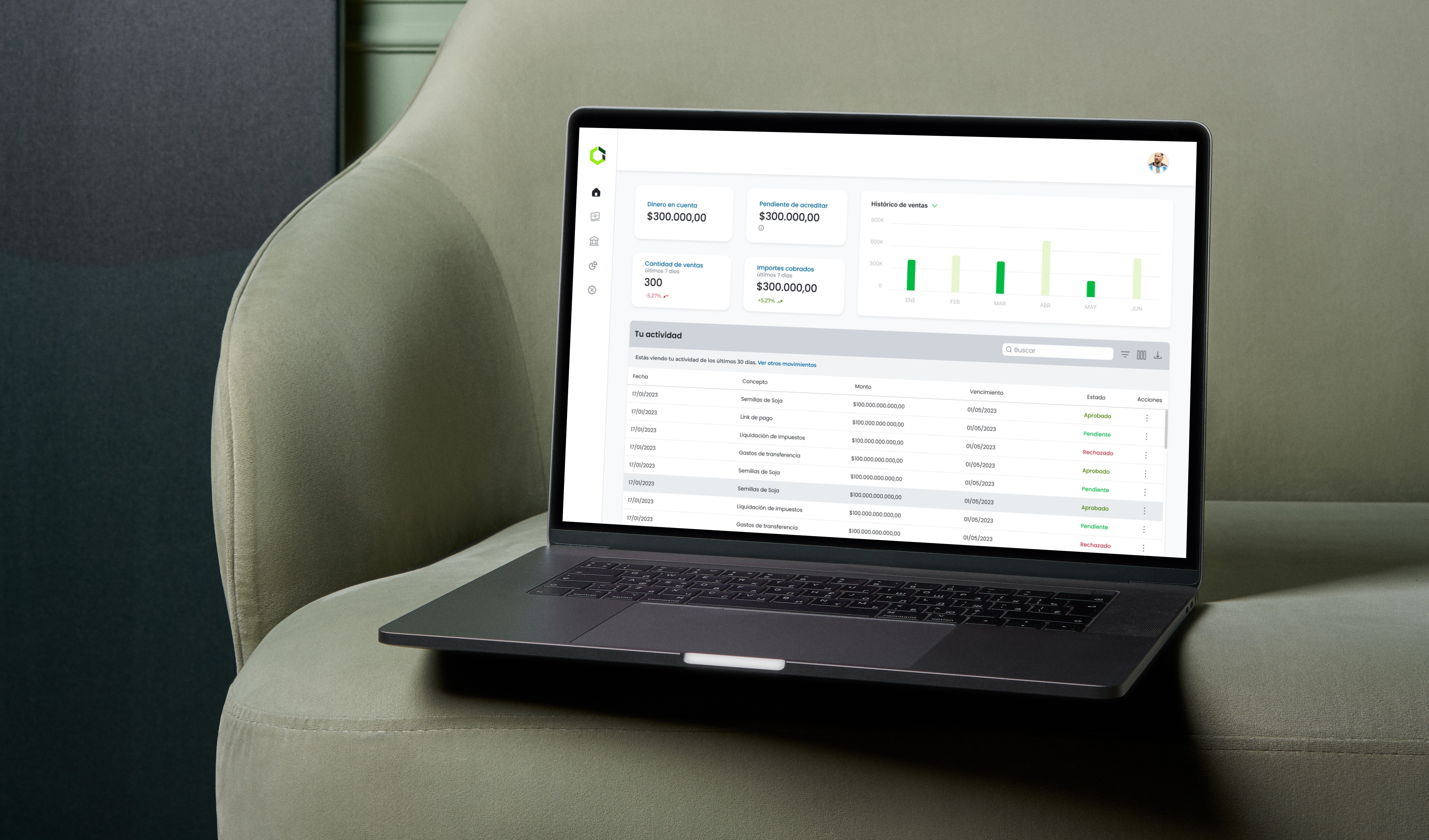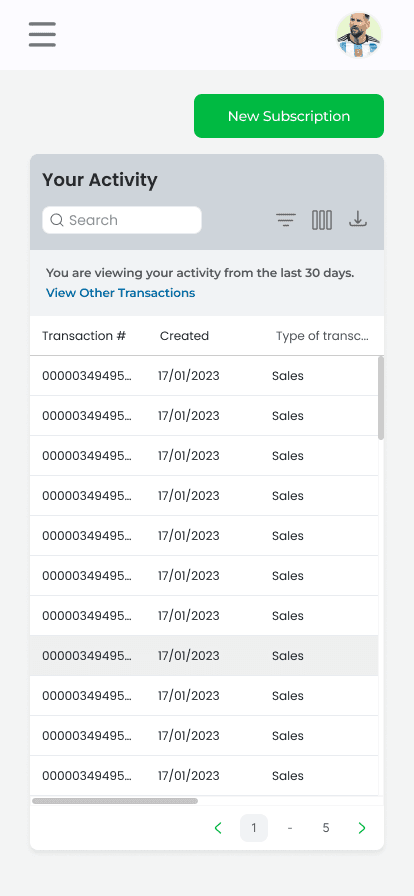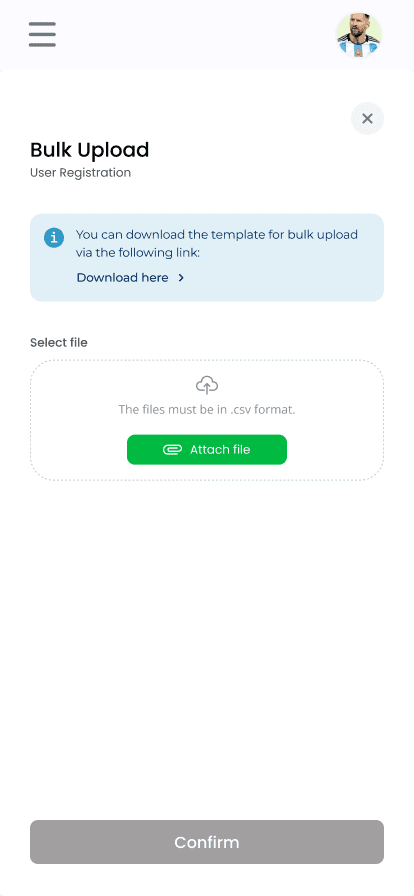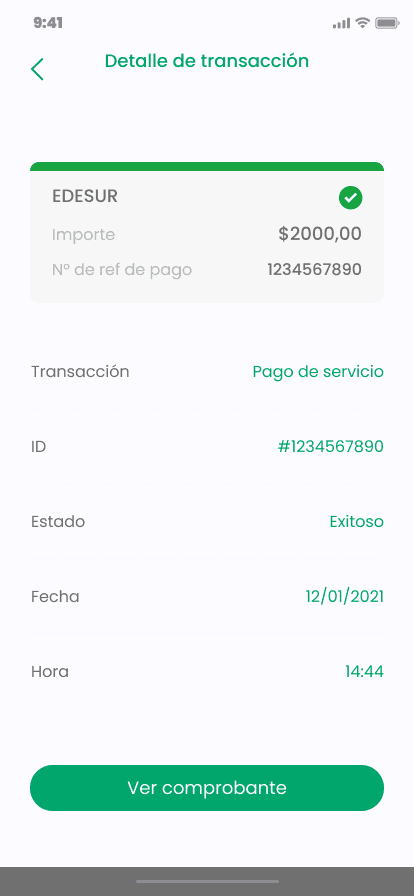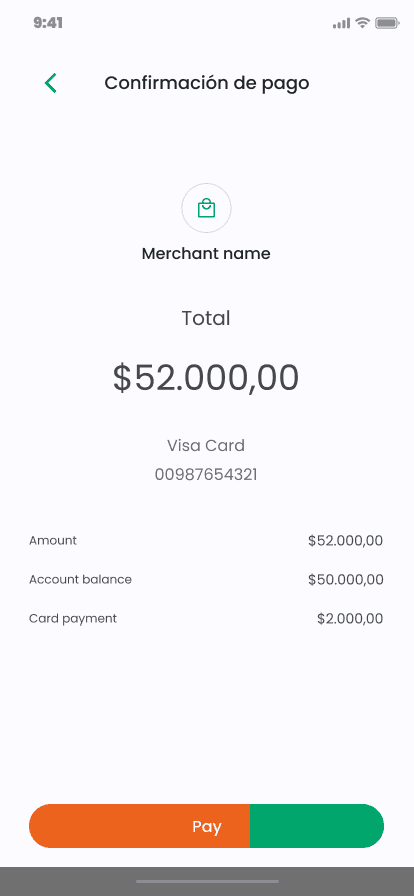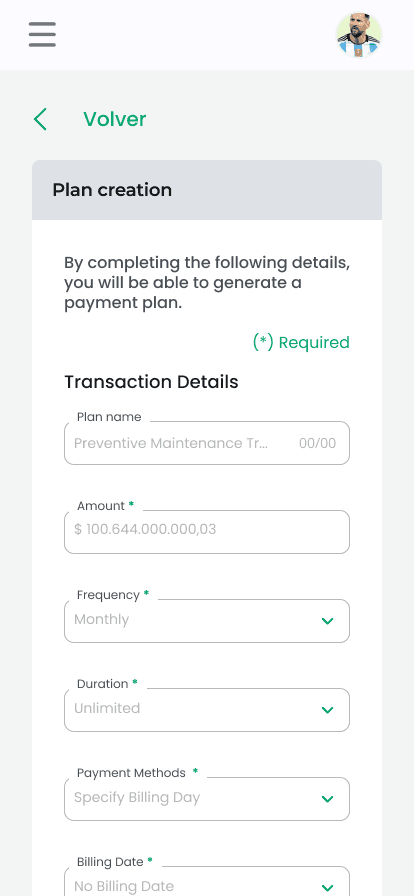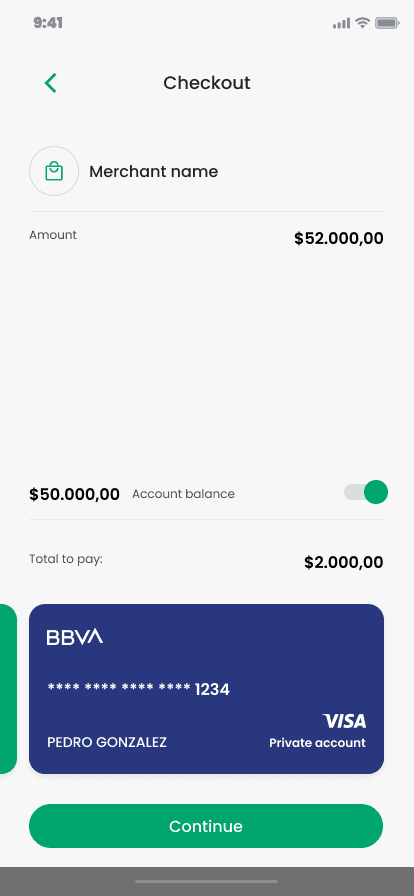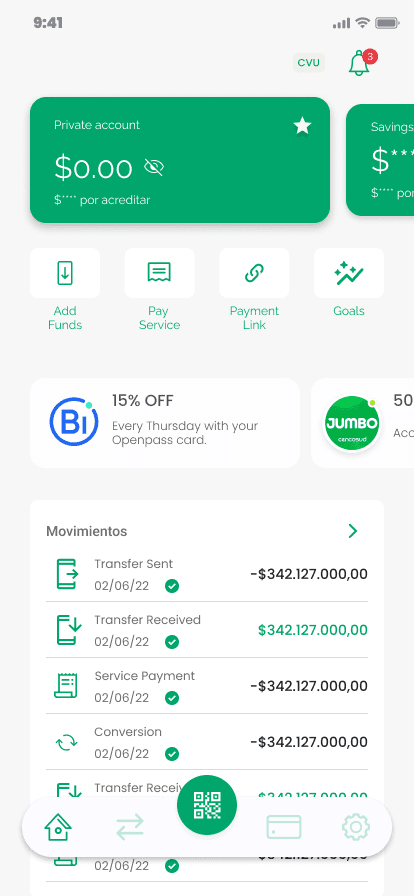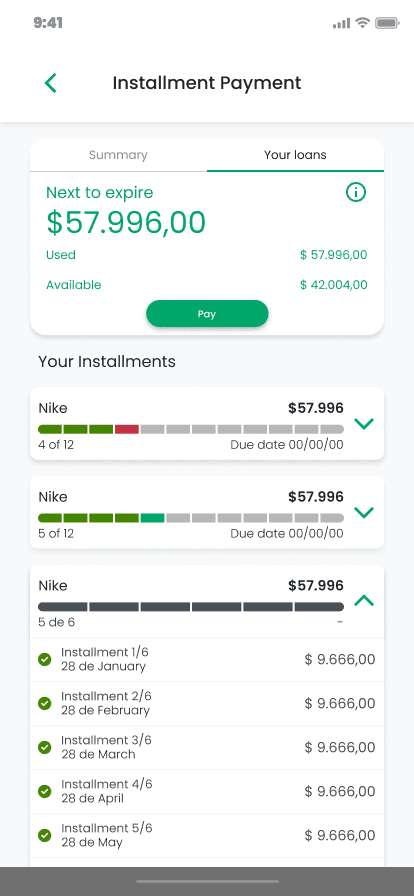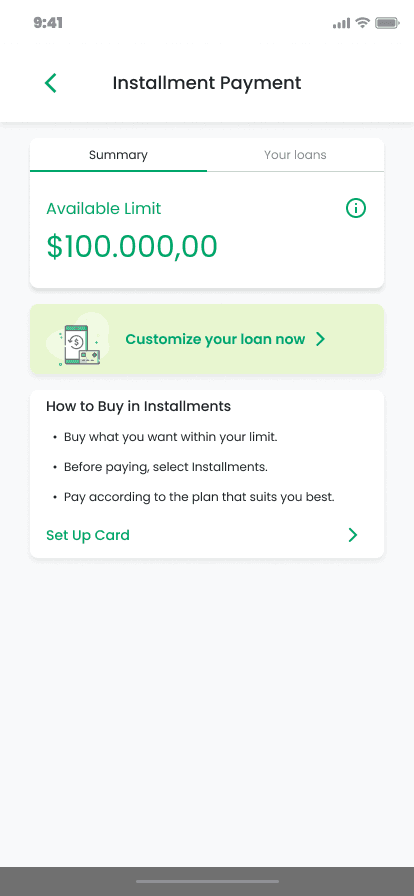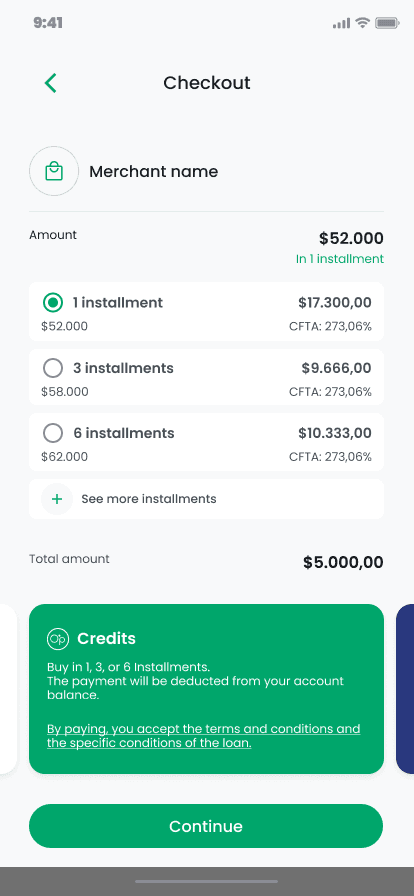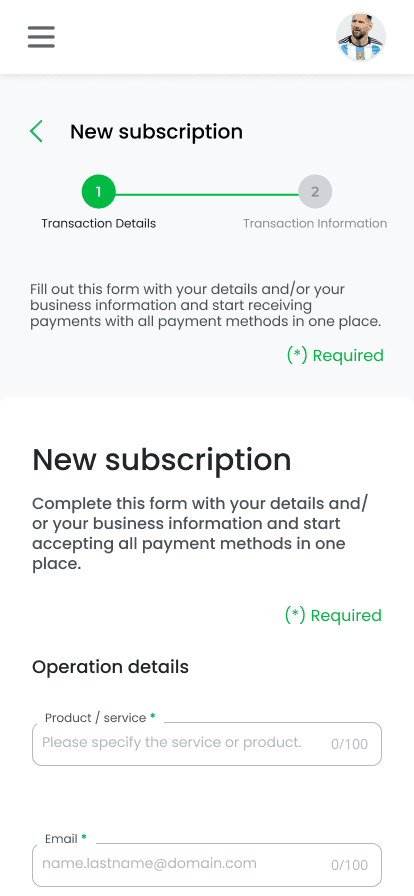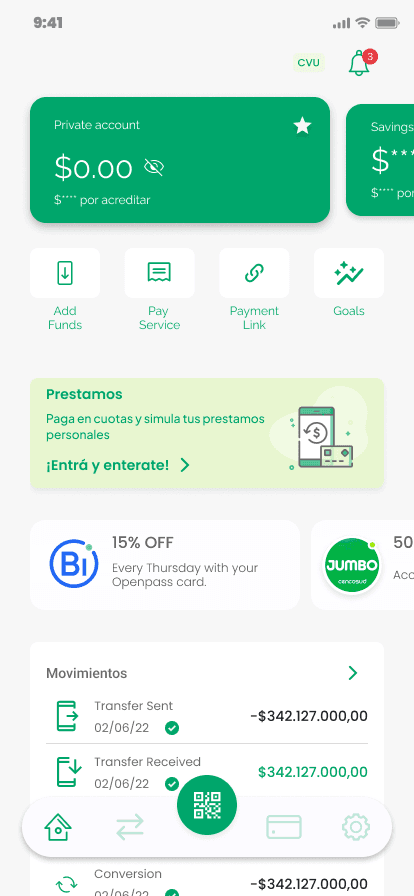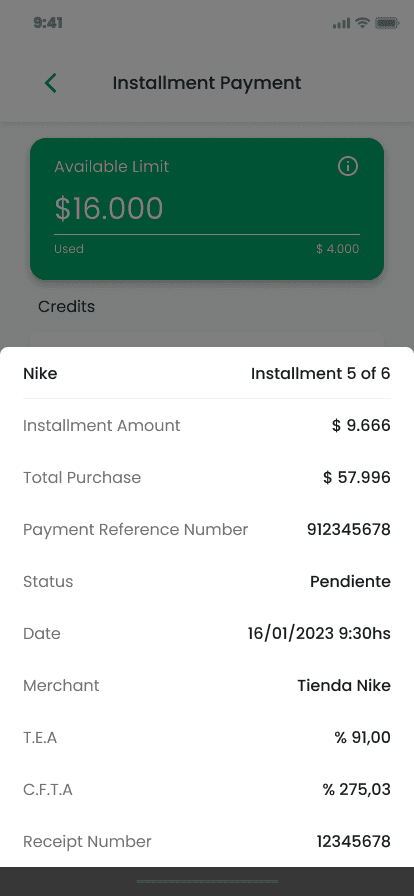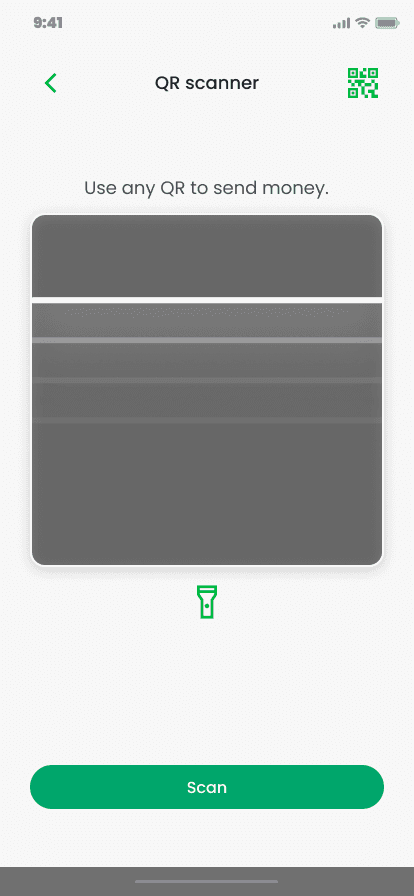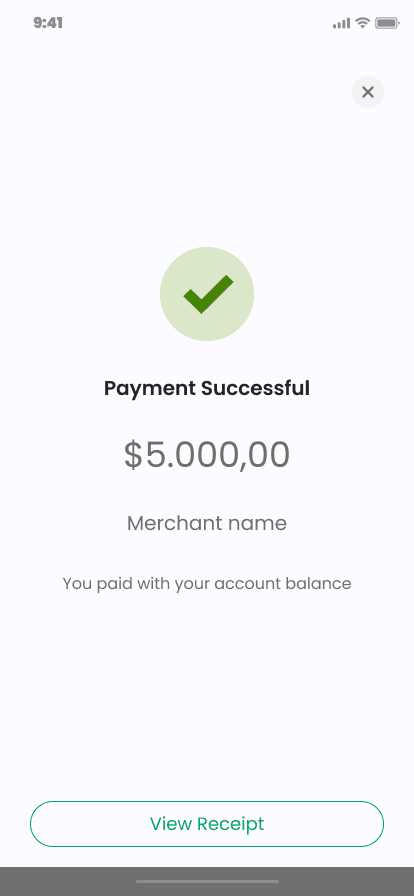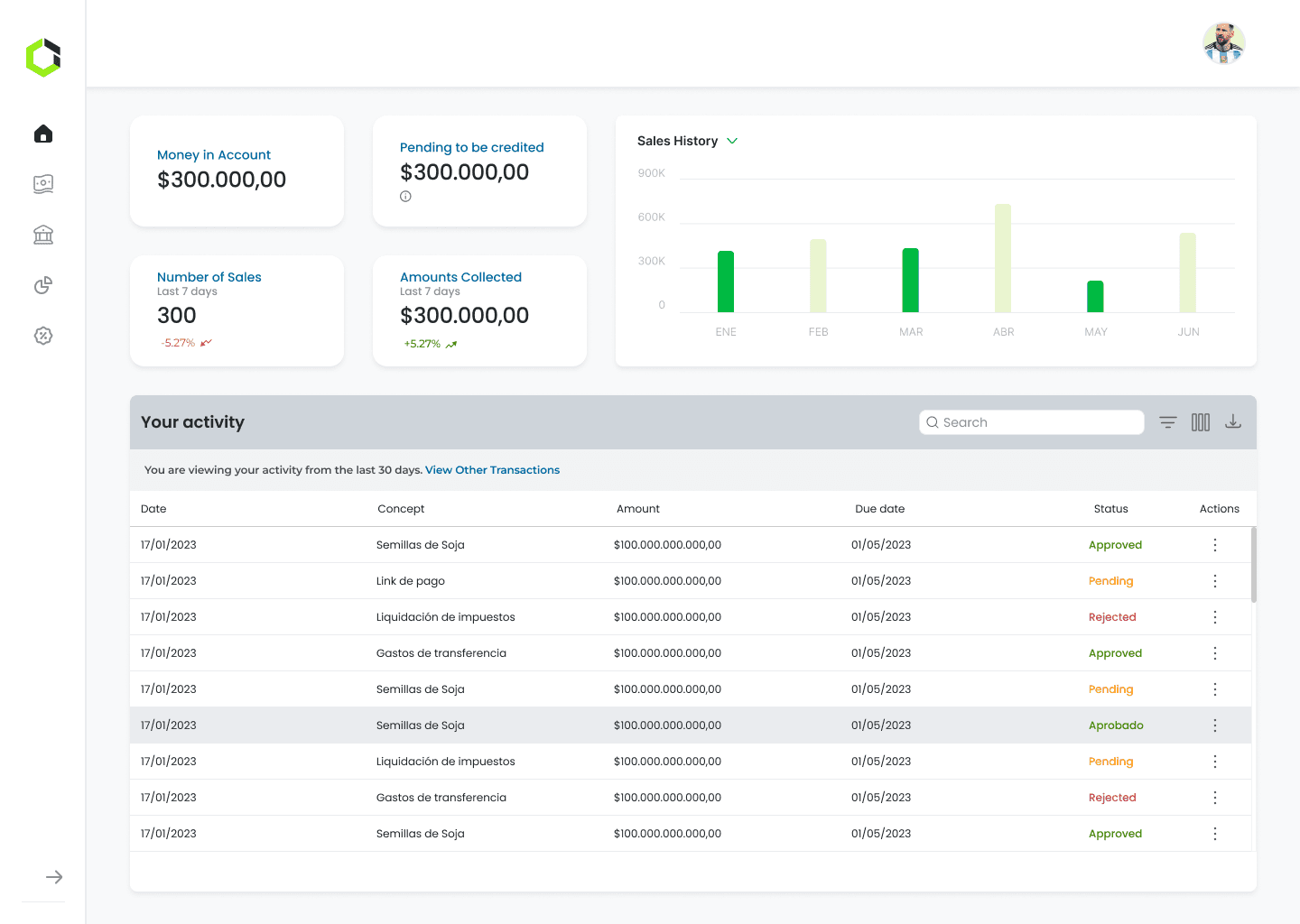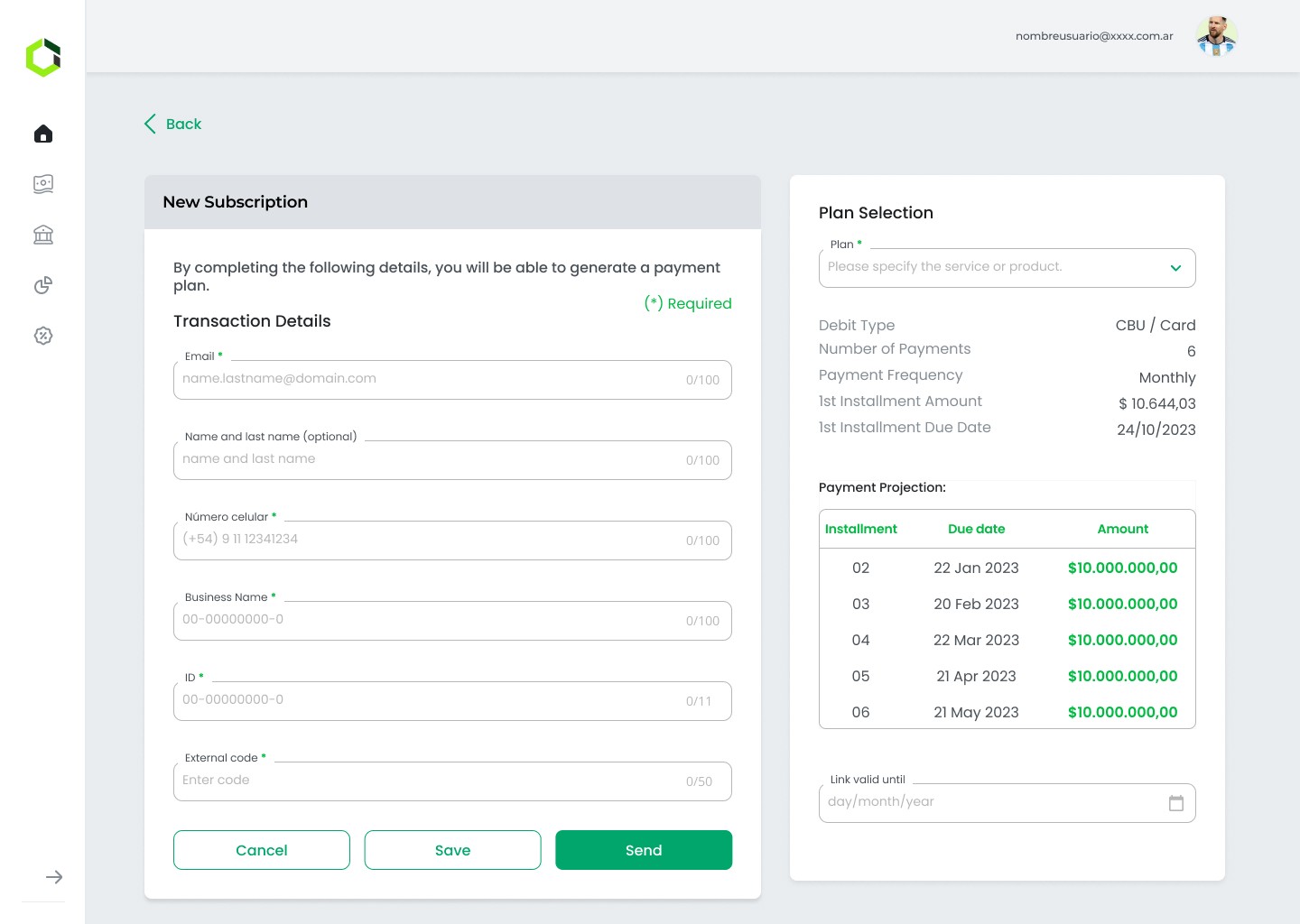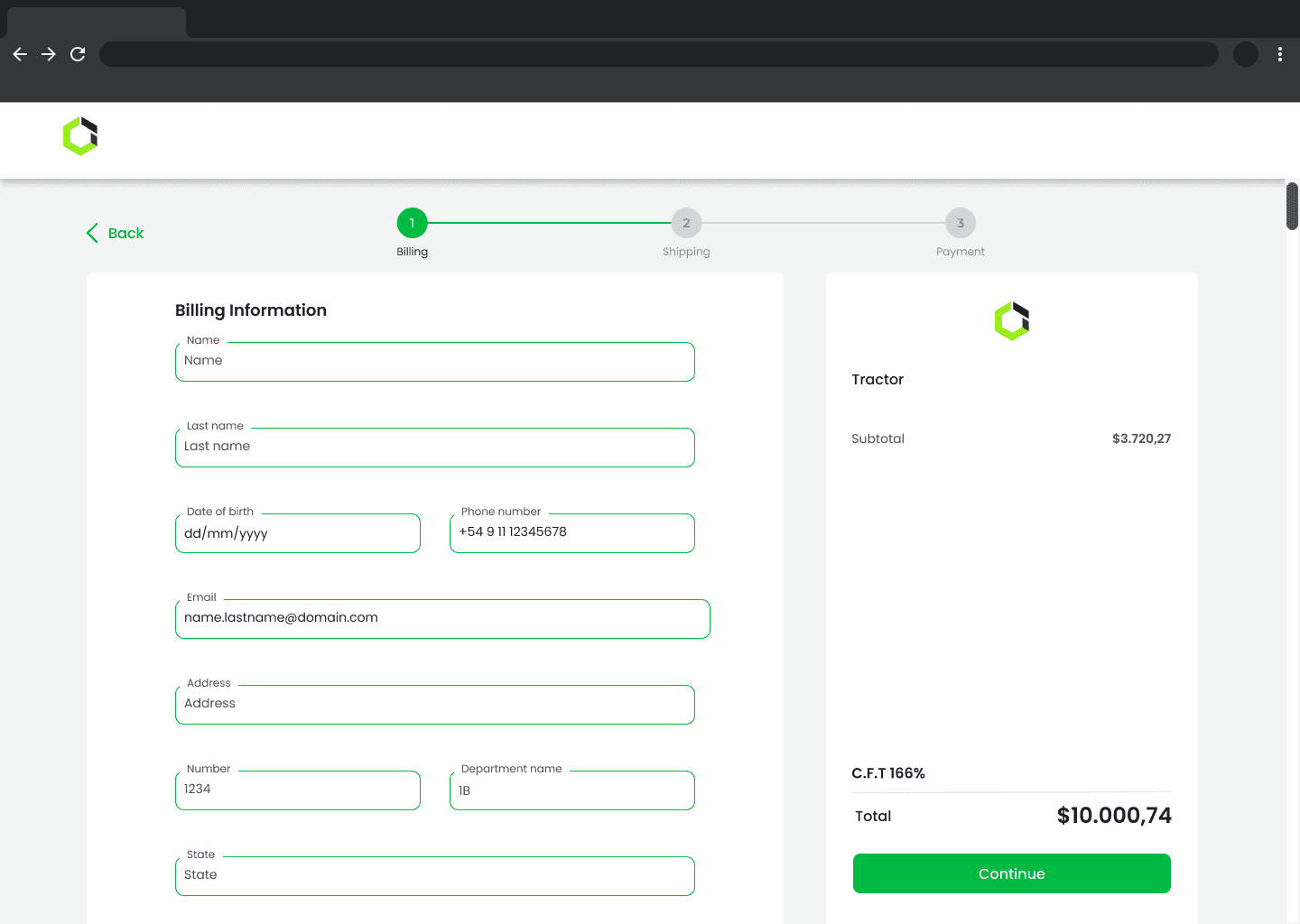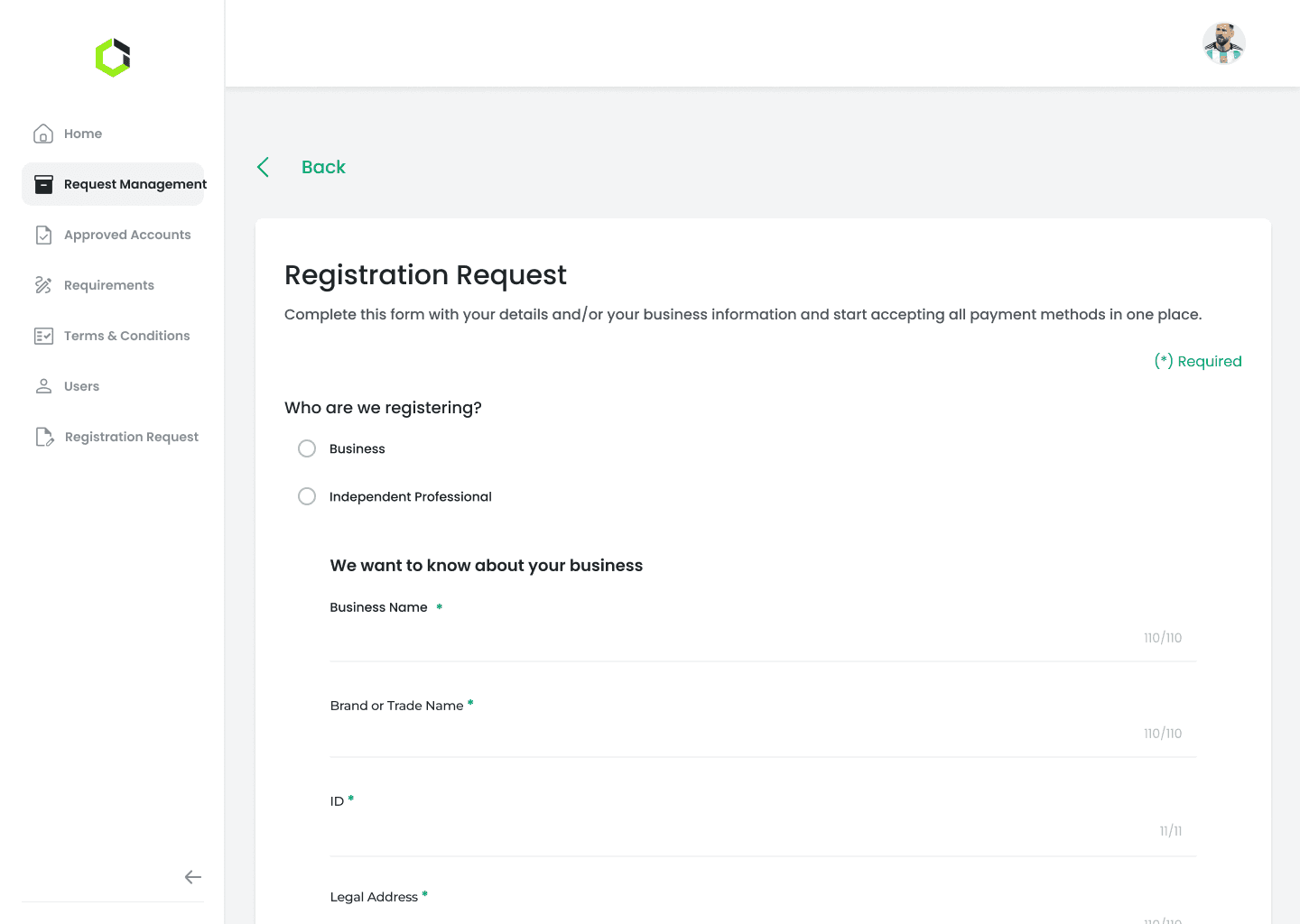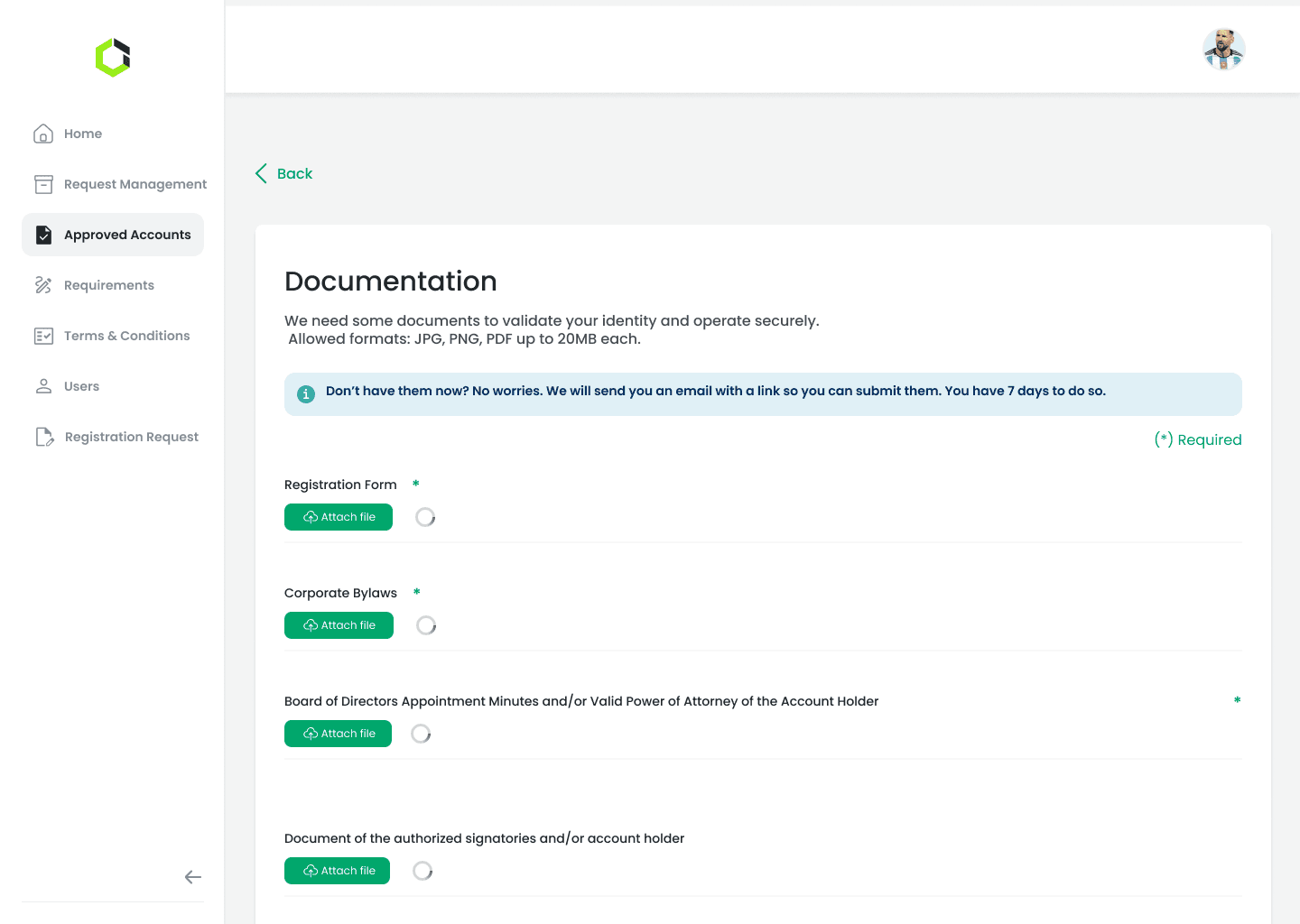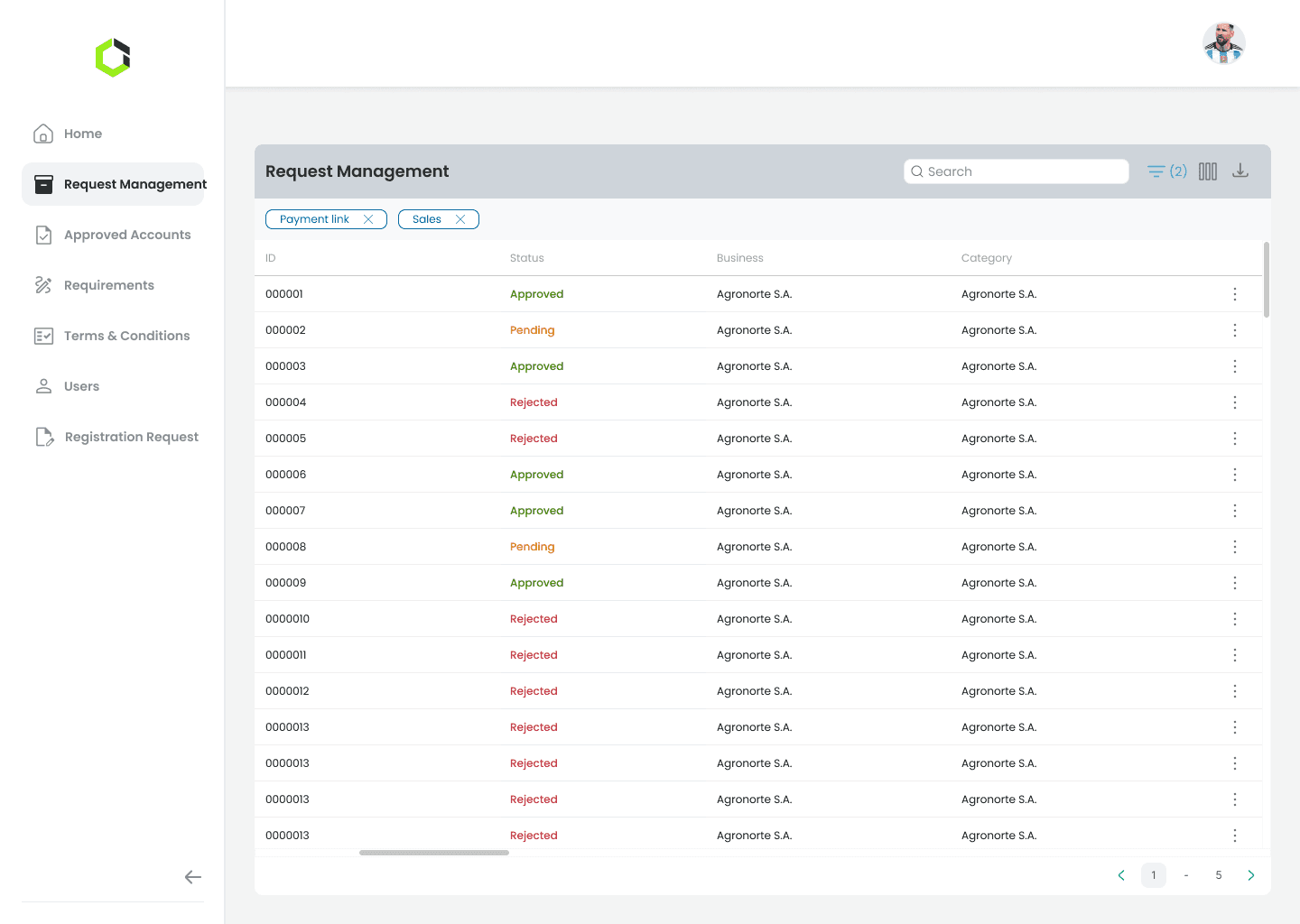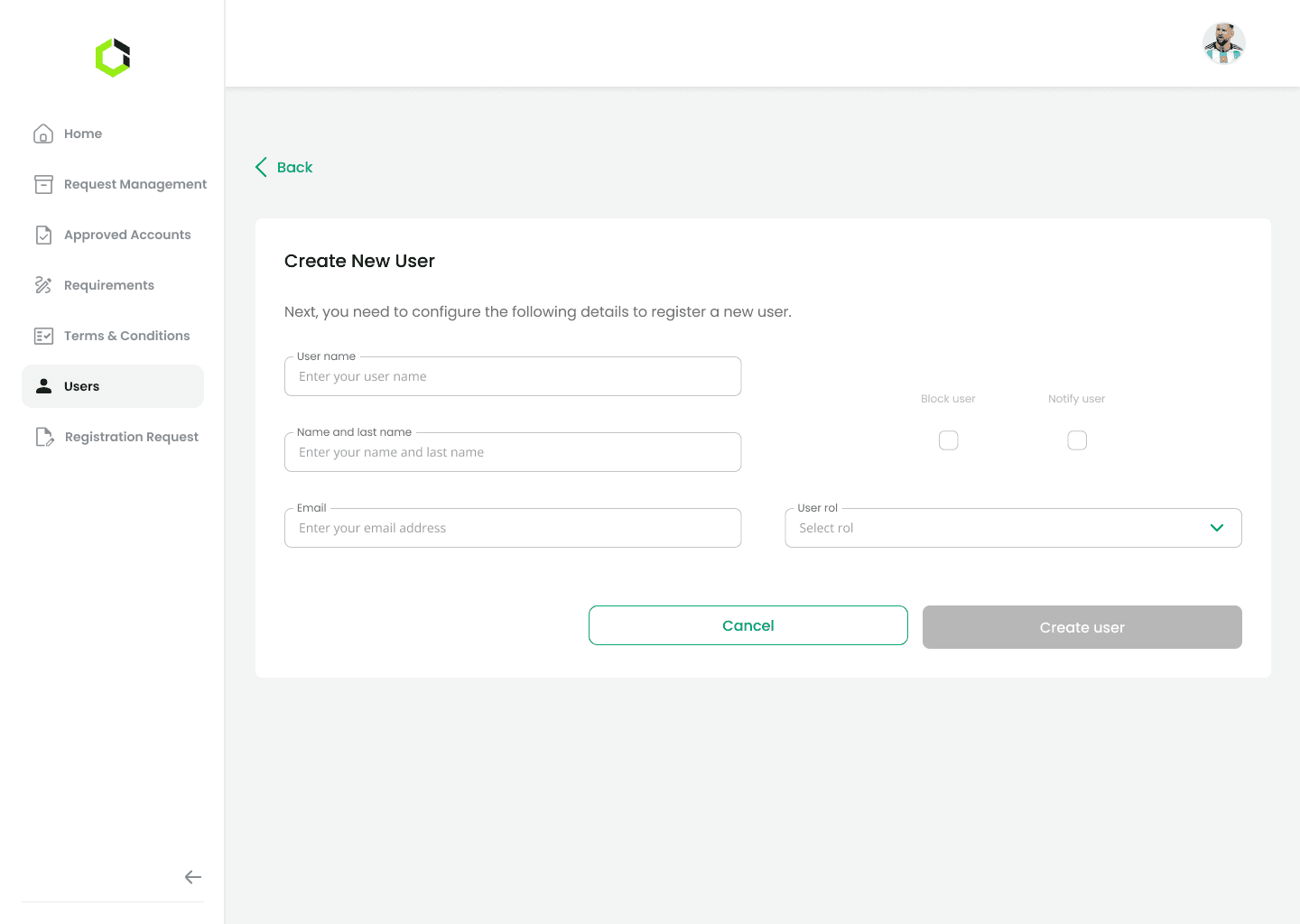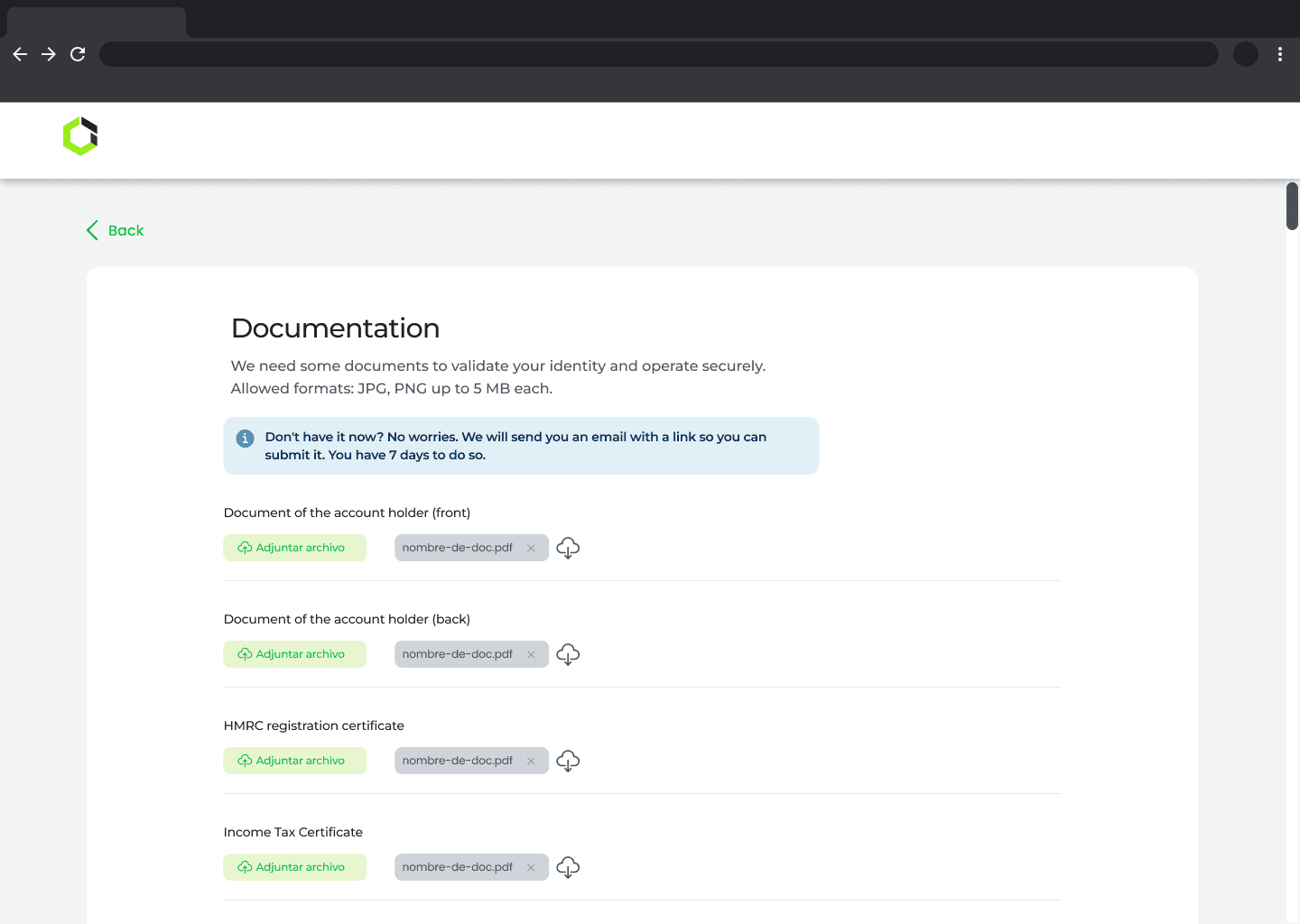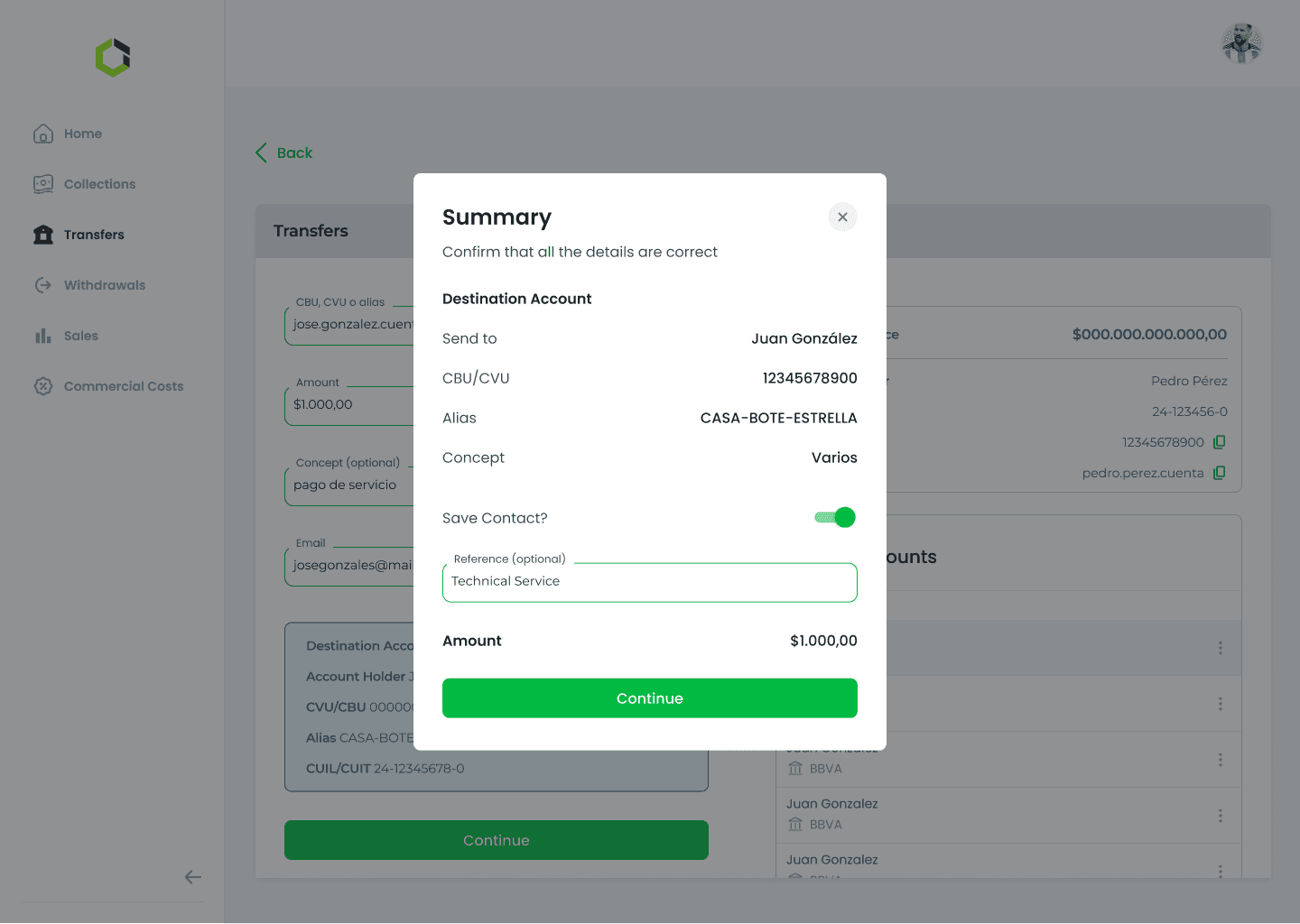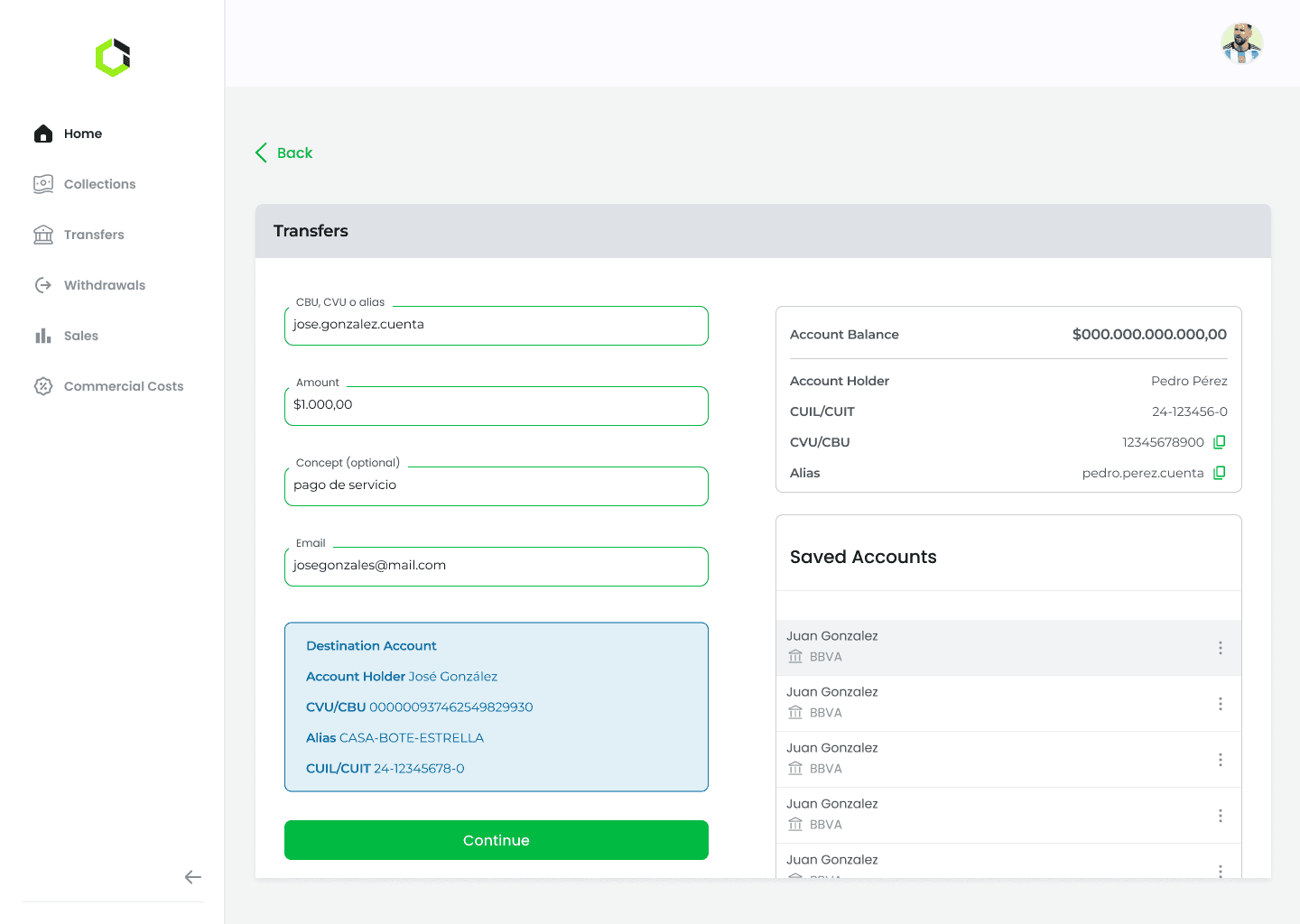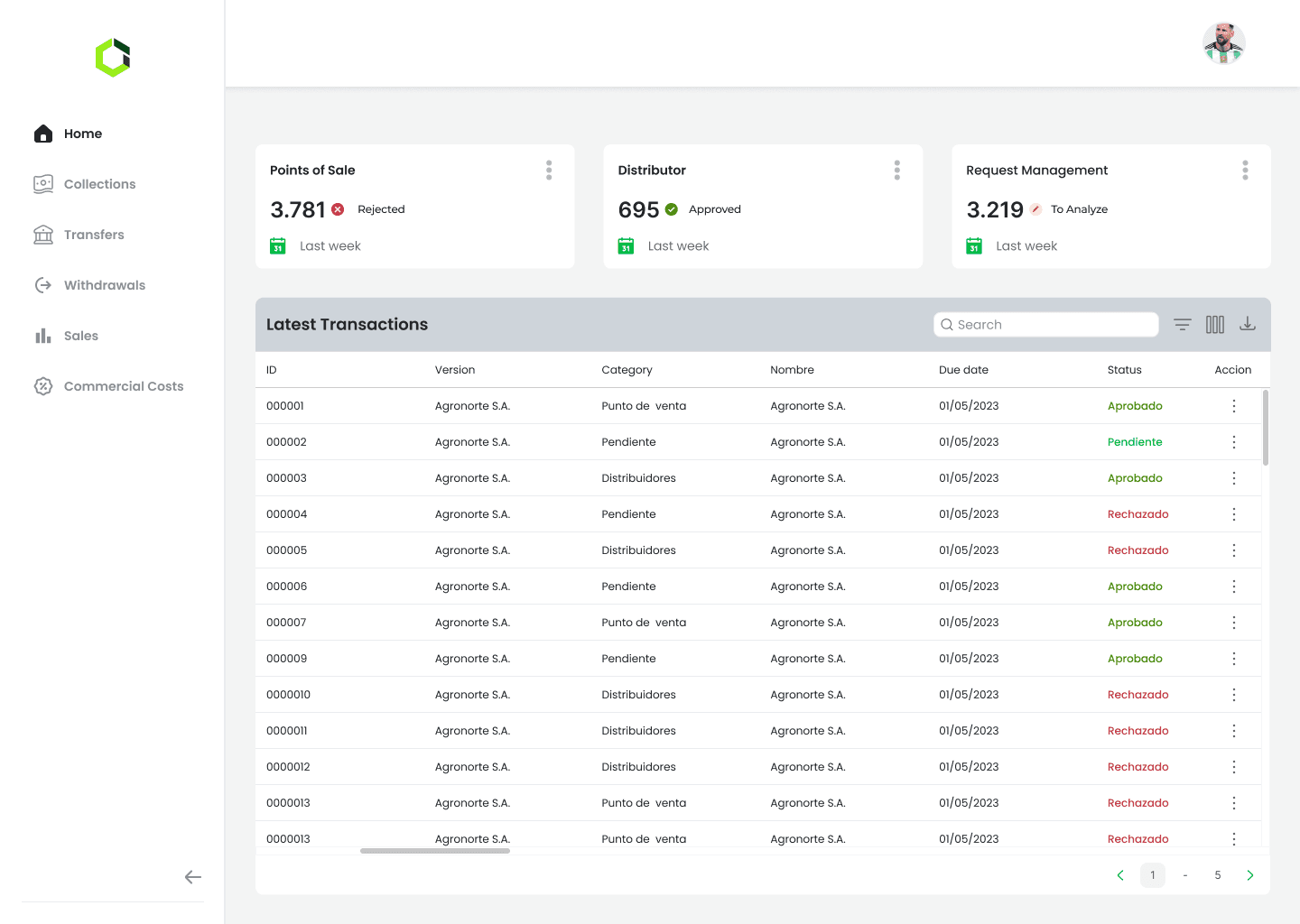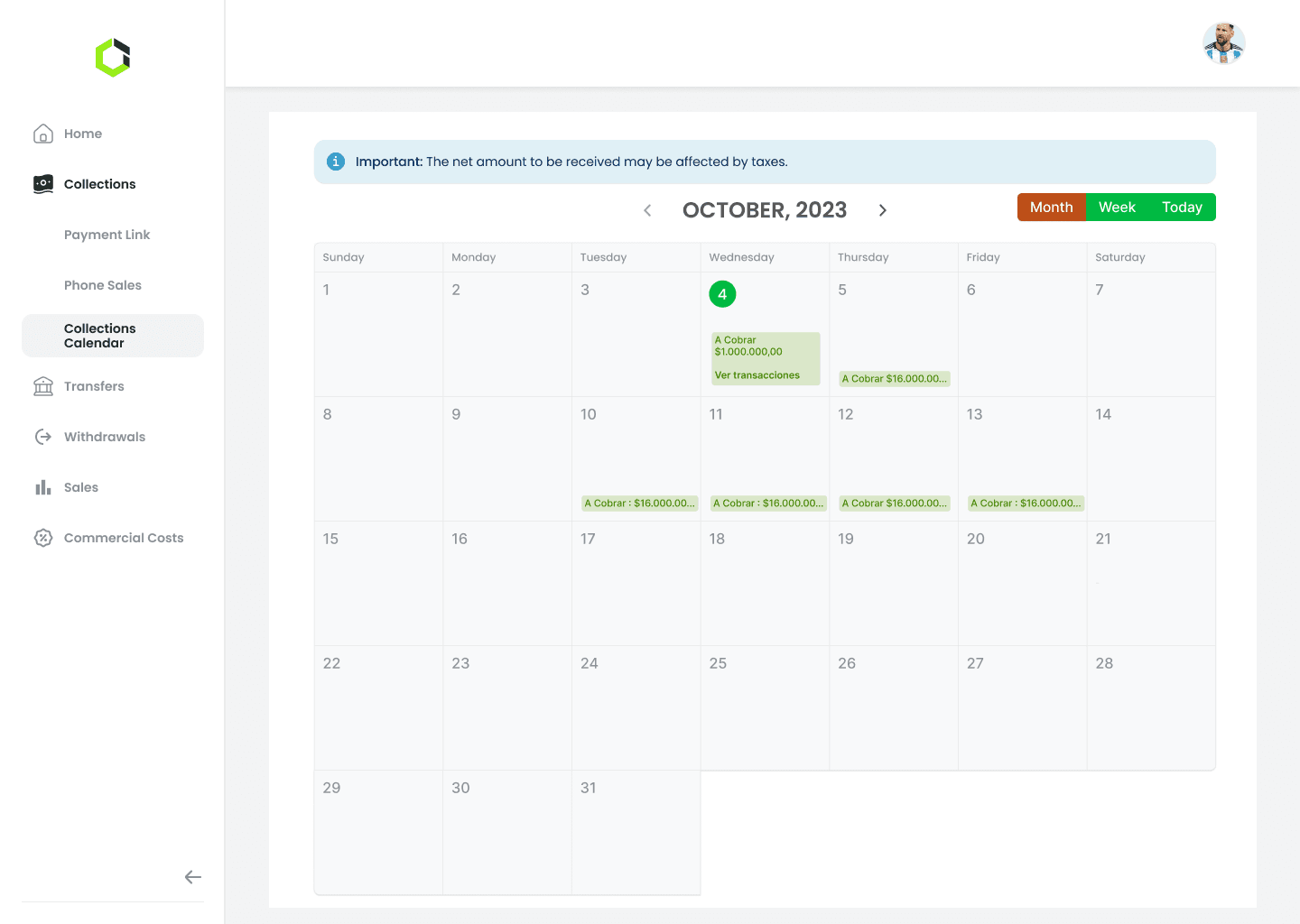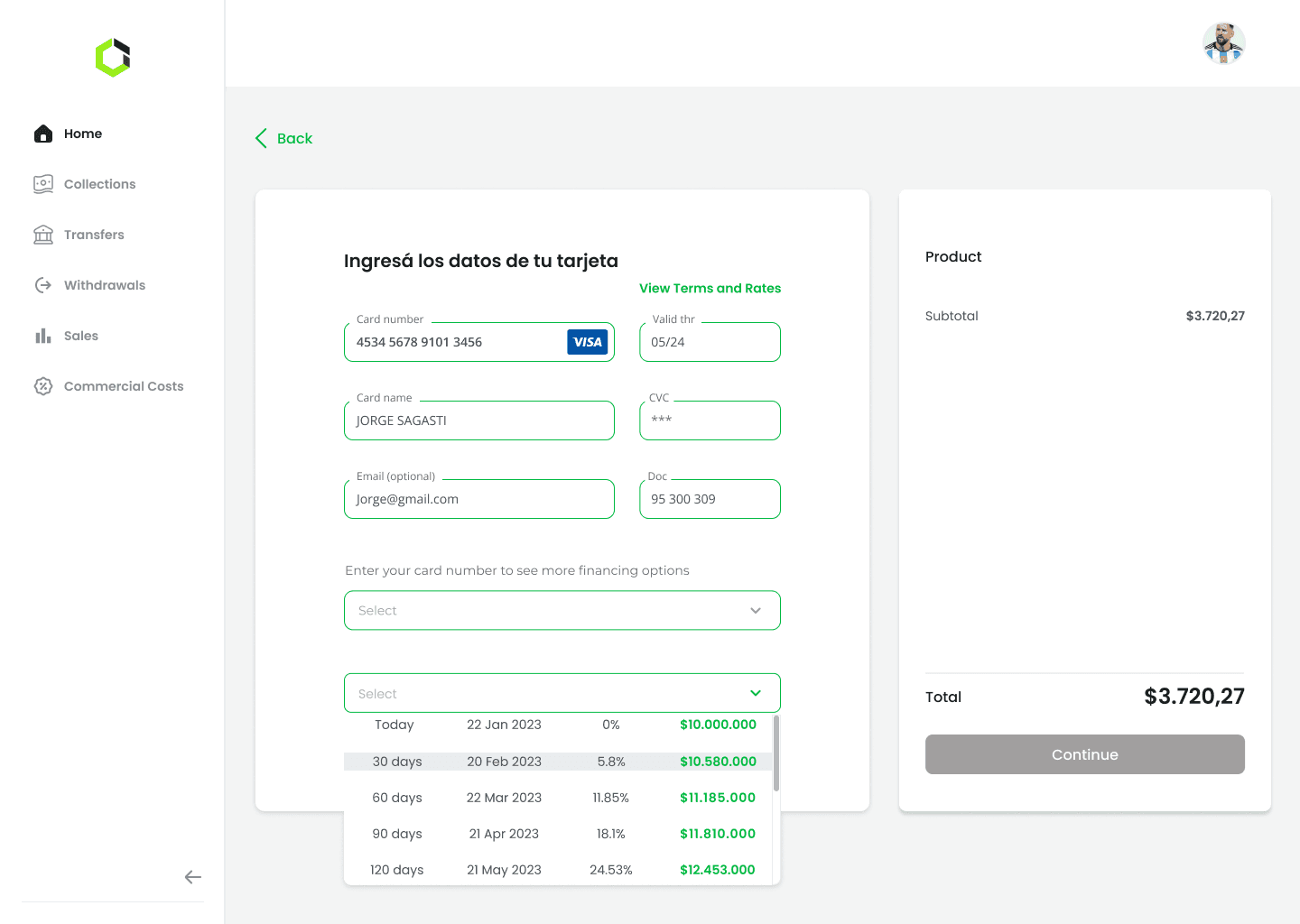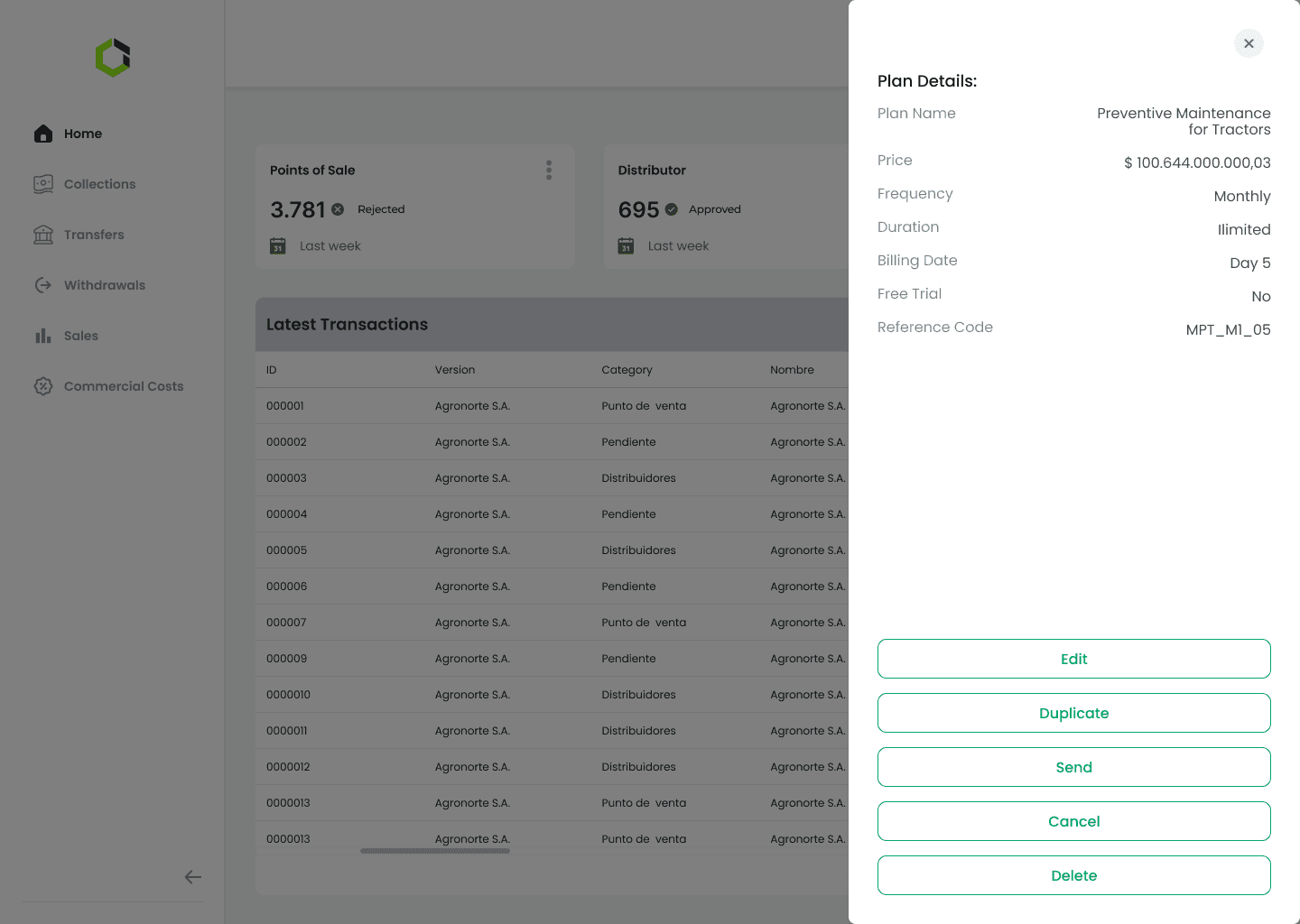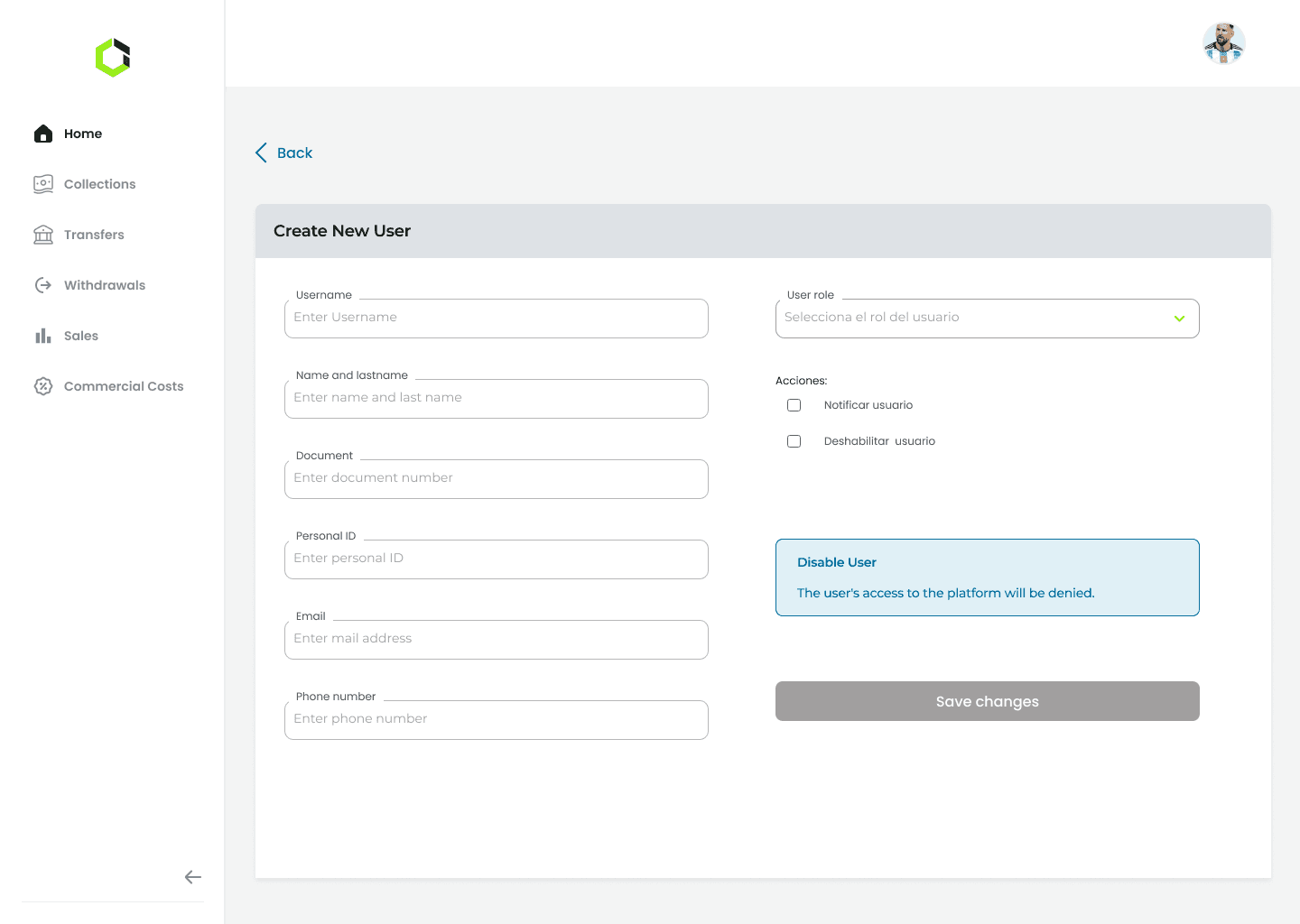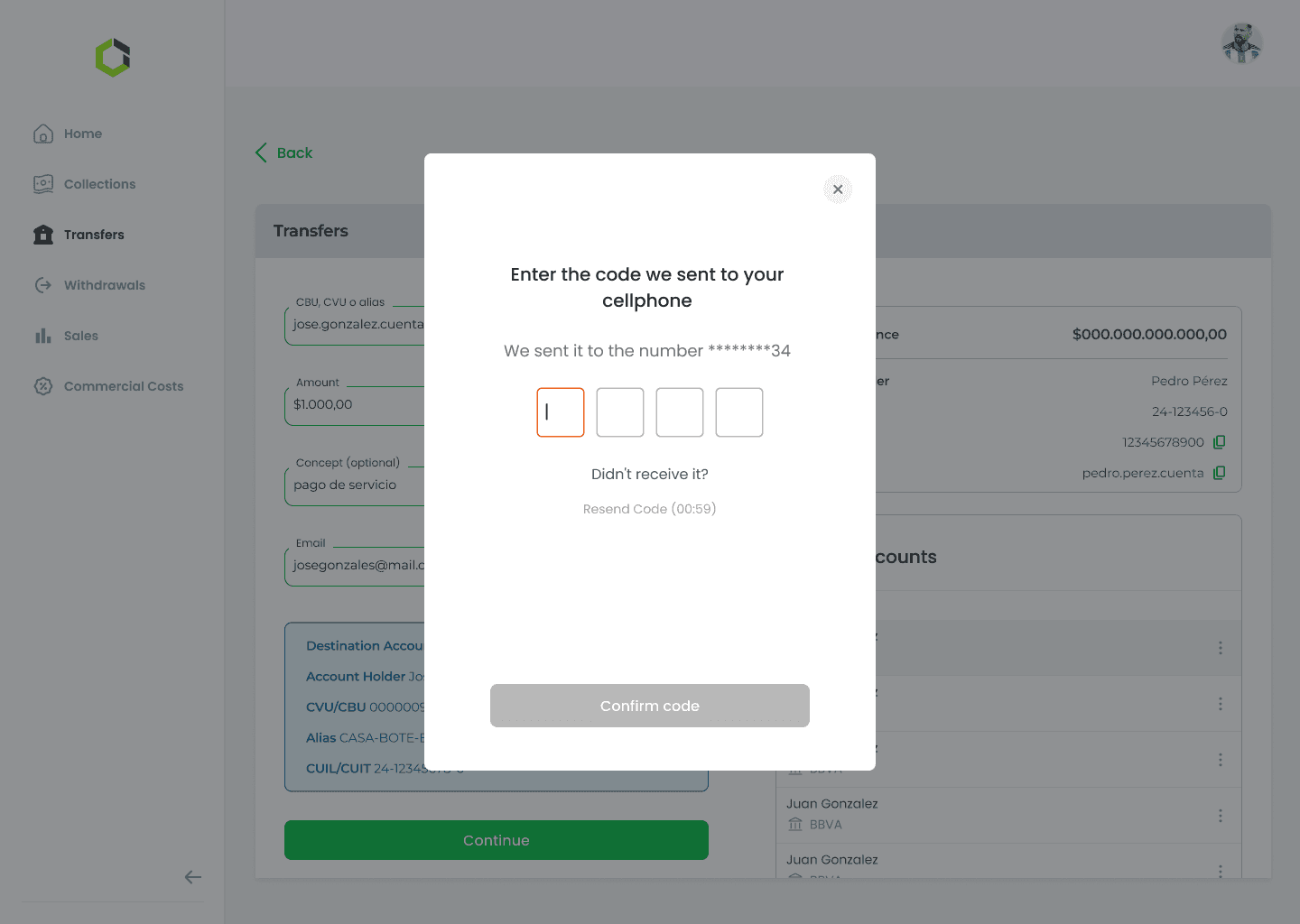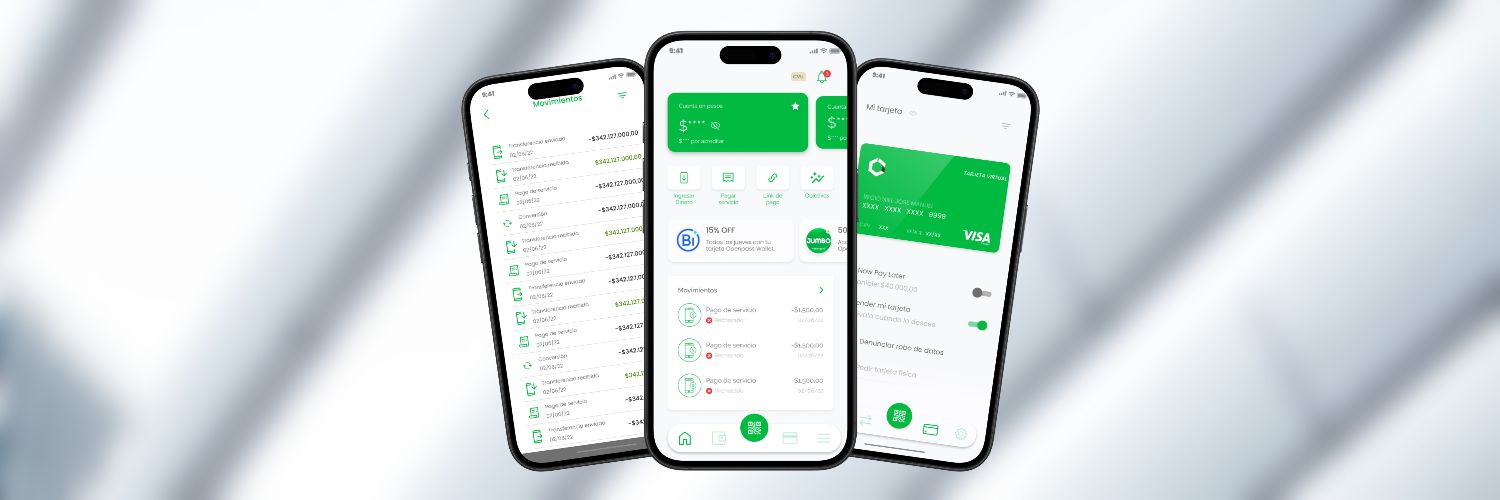
Core fintech, cash management & White label mobile wallet.
Role
UX/UI Designer
Product
Dashboard + Wallet
Duration
2 years
CONTEXT
The company was quickly growing, and without design leadership, I was slowly getting into the eye of the storm.
FROM SINKING TO SYNCING
Little by little, we began to regain control of the situation and steer things in the right direction.
Getting Started: The First Steps
As the company grew fast and the workload kept increasing, it became clear that we needed a better way to stay organized and keep things running smoothly. Without some structure, things could easily slip through the cracks, deadlines could be missed, and overall efficiency could take a hit. To get ahead of this, I focused on a few key areas to help manage tasks better, set clearer priorities, and create tools that would make things easier both now and in the long run.
What I Did:
Figured Out the Biggest Challenges: Identified what was slowing us down and where things could be improved.
Reorganized Task Priorities: Made sure the most important things got tackled first.
Set a Design and Personal Roadmap: Created a plan to manage both design work and my own workload.
Built Helpful Tools: Put together tools and systems to make things more efficient now and in the future.
Implemented a New Design Way of Working: Established clearer processes to improve collaboration and efficiency in design.
Improved Communication and Feedback: Created better channels for feedback and discussions, both within the design team and across departments.
This was just the first step in getting things more organized: Here’s always room to fine-tune and improve as we keep growing!
NEW FACES
Like a family tree stretching its branches, our team grew with fresh faces and new energy.
New team, new methodology
The company shifted from a flexible, nomadic structure to more defined teams, each with its own focus and purpose. Employees were grouped into specific teams, creating clearer roles and responsibilities. Along with this shift, the company implemented Agile methodology, bringing in a Scrum Master to guide the process. New Product Owners were also introduced, providing long-term vision and strategy to steer projects with a more goal-oriented approach. To support this, Jira was adopted for managing tasks, sprints, priorities, and meetings, helping the teams stay organized and aligned throughout the entire project lifecycle.
From Lone Wolf to Team Player
As the company grew and the product evolved, the role of Quality Assurance (QA) became more crucial than ever. QA evolved beyond bug testing to become an integral part of the design and development process. New stages were introduced to test and validate designs before going live. Stronger bonds were formed between designers, developers, QA, and Leads, fostering better communication and a more seamless feedback loop. This closer collaboration ensured that designs were shaped more effectively, with constant input from all sides. By working together, designers were able to refine their work more efficiently, leading to higher quality, greater consistency across releases, and fewer post-launch issues, ultimately enhancing the user experience.
Finally, more designers
With the expansion of the team, new designers were brought on board to support the growing workload. We also welcomed a Design Manager, who played a crucial role in guiding the team, setting clear priorities, and fostering a collaborative environment. The Design Manager helped establish smoother workflows, provided mentorship to junior designers, and ensured that design efforts were aligned with the company's broader objectives. Their leadership brought structure and focus, allowing the team to work more efficiently and creatively.